

THE SCIENCE BEHIND A STRONG START
A Child’s Future Takes Shape Long Before Kindergarten

During the earliest years, the brain develops at an extraordinary pace. More than one million new neural connections form every second, creating the architecture that supports learning, behavior and health.
That's why some of the most important learning can look remarkably simple: a baby babbles and a teacher responds; a toddler builds a tower, watches it fall and tries again; a preschooler learns to wait, share or solve a problem with a friend. Through moments like these, children develop language, problem-solving skills, self-regulation and confidence.
High-quality early education makes the most of this critical window—not by pushing academics earlier, but through responsive relationships, rich language, purposeful play, exploration, movement and opportunities to be curious.

Children Are Not Born with Unequal Potential. Yet Some Are Born into Unequal Opportunity.
For families in the Immokalee area navigating financial hardship, demanding work schedules, transportation challenges or limited childcare options, the experiences and resources that support early development can be harder to access.
By the time children enter kindergarten, years of critical development have already occurred.
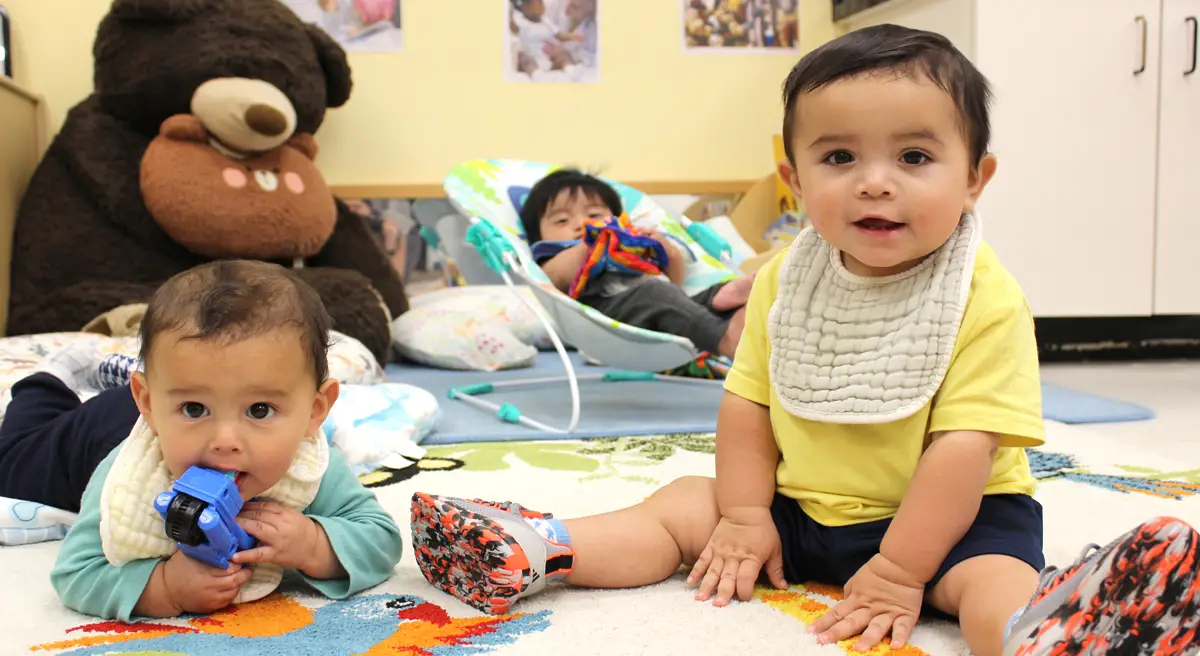
If we want to close an opportunity gap, one of the smartest places to begin is before it has the chance to widen.
Findings That Confirm What Pathways Has Long Understood.
Two pioneering early childhood programs, known collectively as ABC/CARE, have been the subject of extensive research into the long-term benefits of early education. Serving children from as young as eight weeks old through age five, the programs provided intensive early education and care that included cognitive and social-emotional development, nutrition, medical care and other family supports. Researchers followed participants into adulthood.
The long-term analysis found benefits across health, education, employment and income, mothers’ earnings and crime. Researchers estimated a 13.7% annual rate of return and approximately $7.30 in benefits for every $1 of program cost.
By providing full-time care for more than nine hours a day, 50 weeks a year, this study also demonstrated the economic benefits of enabling parents to participate more fully in the workforce.
Other long-term research reinforces the point.
In the Chicago Child-Parent Center study, children who did not participate in the preschool program were 70% more likely to have been arrested for a violent crime by age 18.
The evidence points to a powerful conclusion: early education can change the trajectory of a child’s life.
More Than Childcare, It’s an Investment in Human Potential.

Decades of research have demonstrated the extraordinary benefits of comprehensive early education. At Pathways, that understanding informs everything we do.
We welcome children beginning at just four weeks old, giving our teachers the opportunity to know and support them through some of the most important years of development.
Our approach recognizes that children need more than a seat in a classroom. They need responsive relationships, purposeful play, skilled educators, individual attention and access to the services and support that help them thrive.
We monitor each child’s development and progress over time. Through trusted community partnerships, we help families access dental, vision and developmental screenings, along with behavioral health services and other specialized support when needed. We also connect families with resources addressing food insecurity, essential needs and other challenges that can affect a child’s ability to learn and thrive.
Our role is not to provide every service ourselves. It is to know the child, recognize the need and help connect the family to the right support.
Dependable early education also gives parents the ability to work, build financial stability and pursue new opportunities, knowing their children are safe, supported and learning.
We cannot know everything a child will become at four weeks, two years or five years old.
That is precisely the point. Their possibilities are still unfolding.
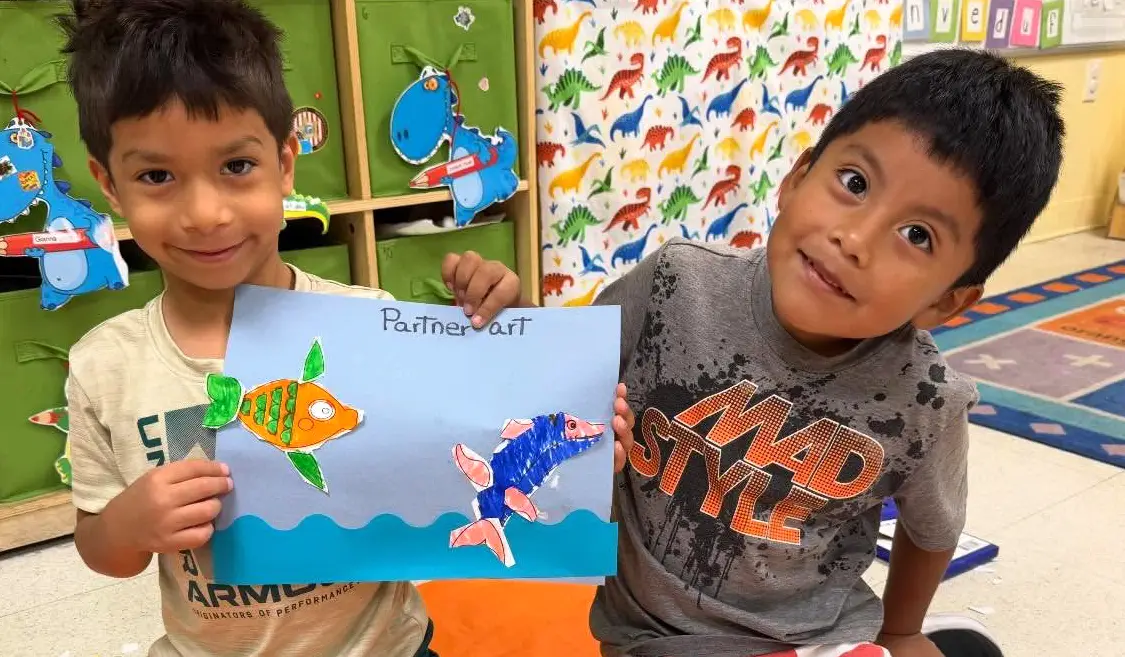
With exceptional educators, engaged families, generous donors and committed community partners working together, Pathways helps give every child the opportunity to realize their potential.
Change the beginning, and you change everything.